Listen to Dr. Fotuhi Share Practical, Science-Based Strategies to Sharpen Your Memory
Featured Podcasts
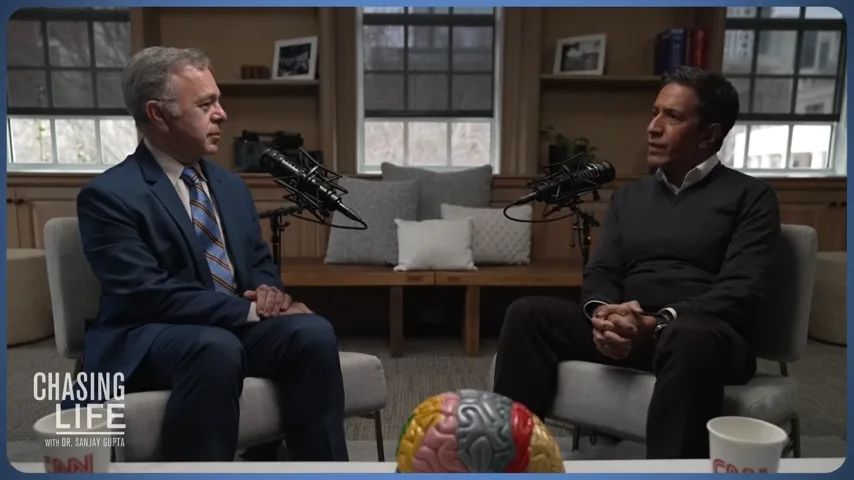
Chasing Life with Sanjay Gupta
Dr. Sanjay Gupta talks to neurologist Dr. Majid Fotuhi about his new book, ‘The Invincible Brain,’ and what it takes to keep your brain healthy and even help it grow.
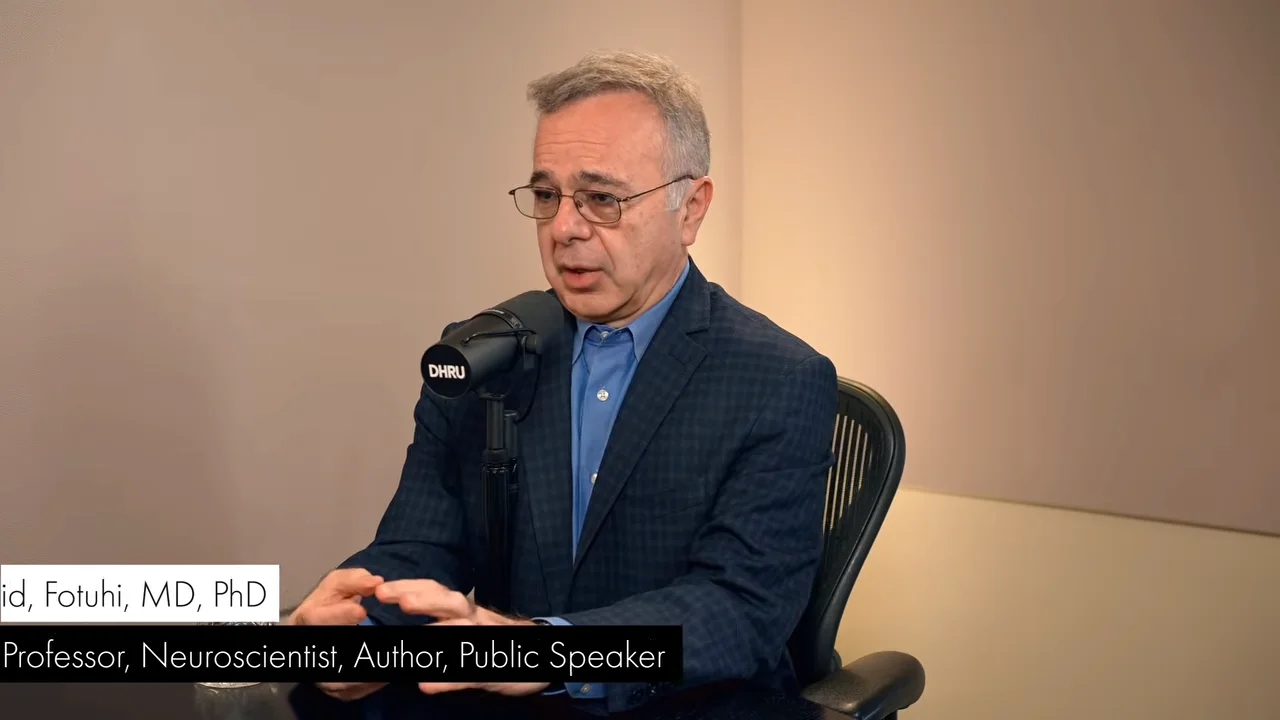
Dhru Purohit Show
Harvard-trained neurologist Dr. Majid Fotuhi joins Dhru Purohit to reveal why cognitive decline is a lifestyle mismatch and how to keep your brain sharp.
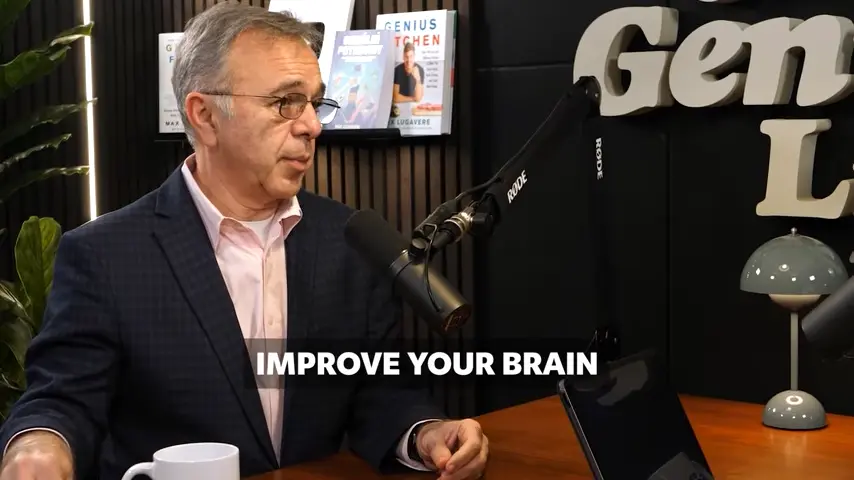
The Genius Life Podcast
Neurologist Dr. Majid Fotuhi, author of The Invincible Brain, joins Max Lugavere to break down the most powerful lifestyle habits for protecting your brain, staying sharp as you age, and reducing your risk of dementia.

Sigma Nutrition Radio
Explore the idea that neuroplasticity does not disappear in adulthood, but continues to respond to behaviours and exposures.

Afford Anything
Dr. Majid Fotuhi and Paula Pant explore healthcare, longevity, and the role of AI in medicine, alongside the tension between automation and humanity.
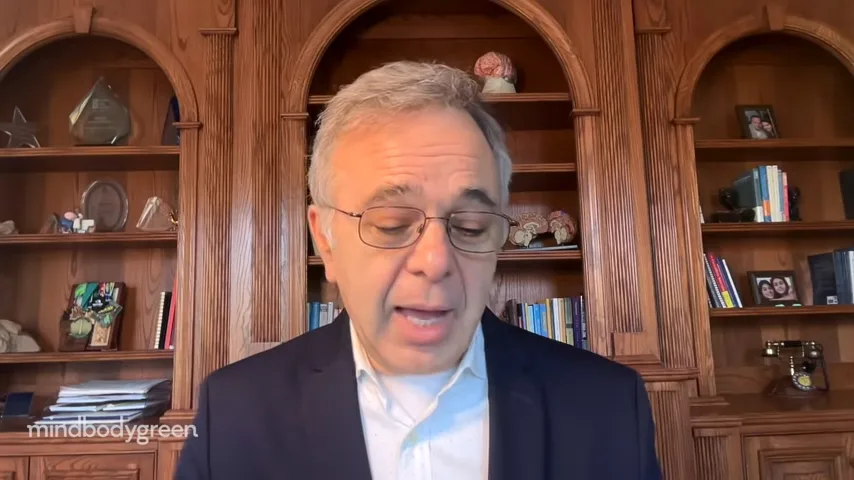
The mindbodygreen Podcast
Dr. Majid Fotuhi discusses how you’re in control of your brain health, just like your heart, and why some stay sharp into their 90s.


For General Audiences
Podcasts for general audiences
Dr. Majid Fotuhi: Boost Your Brain — Use It or Lose It (Age Thoughtfully)
Source from home page – Dr. Majid Fotuhi: Boost Your Brain — Use It or Lose It (Age Thoughtfully)
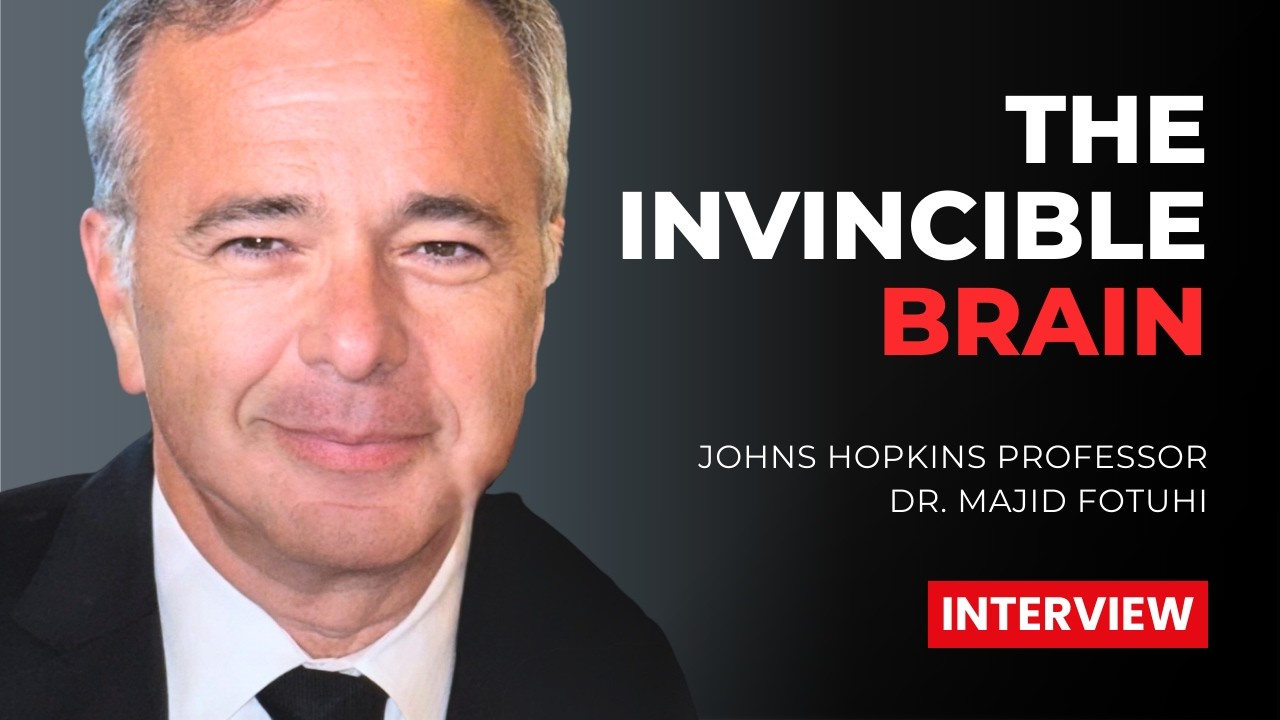
The Invincible Brain with Johns Hopkins Professor Dr. Majid Fotuhi
Dr. Majid Fotuhi, neurologist, neuroscientist, and adjunct professor at Johns Hopkins University, has spent decades studying how the brain ages and what determines whether cognitive performance declines or strengthens over time. In this discussion, he challenges one of the most widely accepted assumptions about aging: that deterioration of memory and thinking is inevitable. The evidence, he explains, points in a different direction. Cognitive health is strongly shaped by daily choices, and meaningful improvements can occur within weeks when those choices change. Fotuhi organizes the science of cognitive resilience around five pillars: exercise, sleep, nutrition, stress management, and brain training. Each pillar affects the brain through measurable biological mechanisms. Exercise, for example, increases mitochondrial activity and stimulates the growth of new neurons in regions responsible for memory. Even modest activity matters. Walking several thousand steps daily has been associated with reduced markers of Alzheimer’s disease in the brain, while higher fitness levels correlate with stronger cognitive performance. Sleep represents the second pillar. Consistent rest of seven to eight hours supports the brain’s ability to regulate stress hormones and maintain cognitive clarity. Persistent sleep disruption is often tied not to physiology but to unresolved concerns. Fotuhi notes that many professionals carry a large number of unresolved problems into the night. Creating clear plans for addressing those issues often reduces anxiety enough for normal sleep patterns to return. Nutrition is the third pillar. Highly processed foods, particularly those containing trans fats, increase inflammation and are associated with smaller volumes in the hippocampus, the region of the brain responsible for memory. By contrast, a Mediterranean-style diet rich in fruits, vegetables, fish, and olive oil supports long-term brain health. Food, in this sense, functions as daily neurological input rather than simple fuel. The fourth pillar is stress regulation. Chronic stress elevates cortisol, which can damage memory-related brain structures over time. Fotuhi emphasizes that much stress is generated internally through expectations and repeated negative thought patterns. Techniques such as cognitive behavioral therapy, meditation, and deliberate reframing help interrupt these cycles and allow the brain to operate in a more stable state. The final pillar is brain training. Cognitive capacity strengthens when the brain is consistently challenged through activities that require learning and adaptation. Language study, music, strategic games, or complex physical skills all stimulate neural pathways. The key is sustained engagement in activities that are both demanding and enjoyable. The brain, like muscle, develops strength through repeated use. Underlying these pillars is a broader insight about aging itself. Fotuhi argues that the second half of life can be a period of cognitive growth rather than decline if individuals adopt the habits that support brain health. The goal is not merely to avoid disease but to maintain clarity, memory, and mental energy well into later decades. For senior professionals whose performance depends on sustained cognitive capacity, the implications are practical. The brain remains highly adaptable. With deliberate attention to exercise, sleep, diet, stress, and learning, cognitive capability can be preserved and, in many cases, strengthened over time. Get Majid’s book, The Invincible Brain, here:
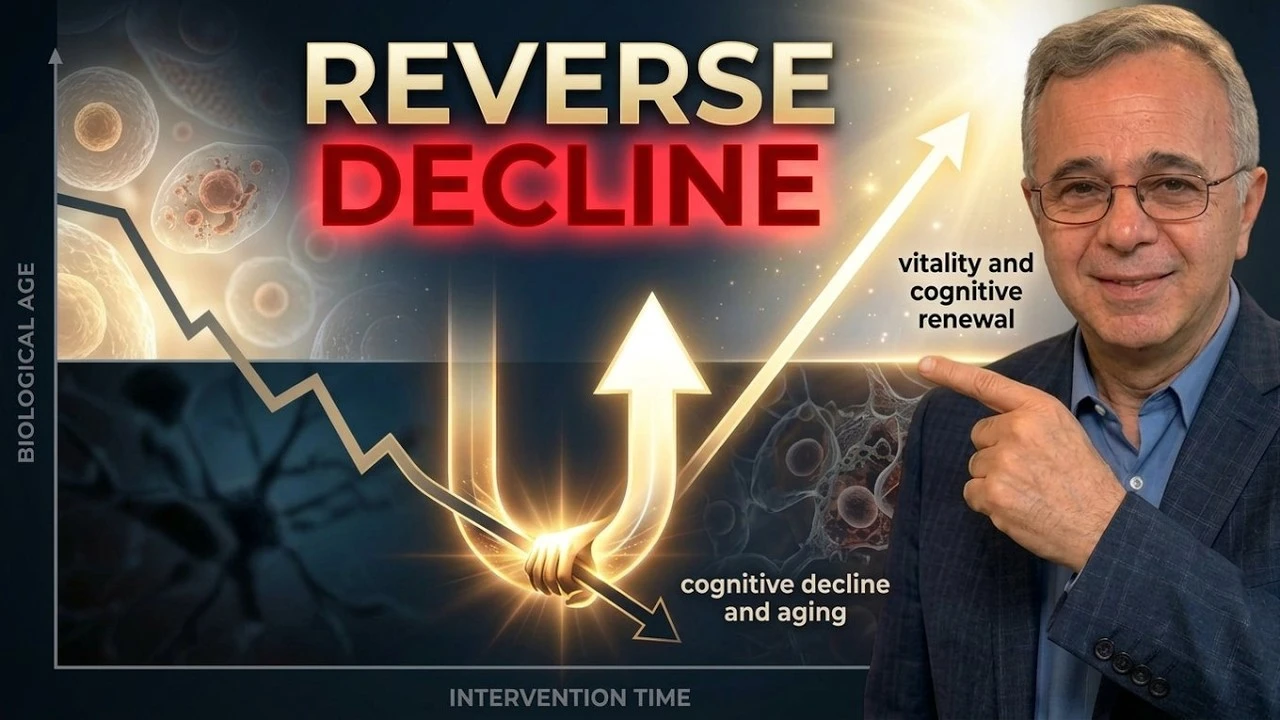
Train Your Brain Like a Muscle: The 5 Pillars of Cognitive Longevity | Dr. Majid Fotuhi
Is your brain actually shrinking? Harvard-trained neurologist Dr. Majid Fotuhi joins me to reveal why cognitive decline isn’t an “age” problem; it’s a lifestyle mismatch that can actually be reversed. Today, I sit down with Dr. Majid Fotuhi, a world-renowned expert in memory and successful aging with over 30 years of clinical research at Harvard Medical School and Johns Hopkins. We dismantle the myth that Alzheimer’s is inevitable and explain how simple, science-backed lifestyle changes—what he calls the “Brain Fitness Program”—can grow your brain’s memory center, the hippocampus, by up to 1% per year. Dr. Fotuhi shares the 5 pillars of cognitive longevity: physical exercise, restorative sleep, the Mediterranean diet, stress management, and complex learning. We discuss how even walking 30 minutes a day can measurably expand your brain, why sleep is the ultimate “cleanup” for memory, and why your sense of purpose might be the most powerful predictor of cognitive health. This is a practical, empowering roadmap for anyone who wants to stay sharp, focused, and resilient at every stage of life. In this episode we discuss: (0:00) Cognitive decline isn’t inevitable; you can grow your brain. (3:52) The hippocampus: your brain’s memory center. (5:15) How movement and exercise grow your brain. (12:44) Sleep: the brain’s waste clearance system. (21:51) Nutrition: the Mediterranean diet and brain volume. (25:21) Stress: the primary driver of brain shrinkage. (34:37) The power of purpose and social connection. (40:15) Brain training: keep learning to stay sharp. (45:12) Final message: you have more control than you think. Majid’s book, The Invincible Brain, is out now!

Dr. Majid Fotuhi – The Invincible Brain
This week I’m excited to welcome Dr Majid Fotuhi to the podcast. Dr Fotuhi is a world-renowned neurologist and adjunct professor at Johns Hopkins. His clinically validated “Brain Fitness Program” has produced outcomes rarely seen in cognitive medicine. He proved it’s possible to prevent — and even reverse — cognitive decline in just 12 weeks. In this episode, we discuss what people should start doing in midlife to protect their brain as they age, how to detect early cognitive warning signs and so much more. Website: https://drfotuhi.com/

Intelligent Medicine Podcast, Preventing Cognitive Decline and Regenerating Our Brains (Dr. Ronald Hoffman)
Source from home page – Intelligent Medicine Podcast, Preventing Cognitive Decline and Regenerating Our Brains (Dr. Ronald Hoffman)
The Brain Architect: How Movement, Food, & Purpose Reshape Your Hippocampus with Dr. Majid Fotuhi
Your hippocampus isn’t a fixed shape, it’s a garden. With the right sleep, movement, and purpose, it can actually grow larger and stronger at any age. In this episode, Sharlee Dixon sits down with Dr. Majid Fotuhi, a pioneering neurologist and neuroscientist with more than 35 years of experience in brain health, memory, neuroplasticity, and the prevention of Alzheimer’s disease. Dr. Fotuhi earned his PhD in neuroscience from Johns Hopkins, completed his medical training at Harvard Medical School, and returned to Johns Hopkins for his neurology residency, where he now serves as an adjunct professor. Known for translating complex brain science into practical tools, his award-winning work has helped thousands improve memory, focus, and clarity. His expertise has been featured on CNN, NBC News, the Today Show, The New York Times, The Washington Post, and more. He is also the author of the new book “The Invincible Brain: The Clinically Proven Plan to Age-Proof Your Brain and Stay Sharp for Life.” In this conversation, Dr. Fotuhi shares the science behind his 12-week program and the everyday habits, movement, nutrition, mindset, stress control, purpose, and even embracing boredom, that help prevent cognitive decline and keep your mind sharp for life. For more information about Dr. Majid Fotuhi, please visit: https://drfotuhi.com/. For more information about “The Invisible Brain: The Clinically Proven Plan to Age-Proof Your Brain and Stay Sharp for Life” by Dr. Majid Fotuhi, MD, PhD, please visit: https://drfotuhi.com//pre-order/. For more information about Dr. Fotuhi’s online courses, please visit: https://drfotuhi.com//online-course-app/. For more information about The Invincible Brain App, please visit: https://invincible.drfotuhi.com. Connect with Dr. Fotuhi on social media: Connect on YouTube: https://www.youtube.com/@DrFotuhi

The Invincible Brain: How to Protect Memory and Lower Alzheimer’s Risk with Dr. Majid Fotuhi
Key Links
Dr. Majid Fotuhi’s Website (NeuroGrow Brain Fitness Program) is HERE
Dr. Fotuhi’s book, The Invincible Brain (Amazon) is HERE
Dr. Fotuhi’s TED Talk is HERE
Documentary referenced in this episode — Monster in the Mind (IMDb) is HERE
In this episode of AGE BETTER, I’m joined by world-renowned neuroscientist Dr. Majid Fotuhi for a powerful, hopeful, and deeply practical conversation about brain health, memory, and what we can do right now to protect cognitive function as we age. This episode is part of my Road to 70 series, where each month I talk with a trusted expert about one key area of healthy aging to help me—and all of us—get ready for the next decade. Dr. Fotuhi’s new book, The Invincible Brain, is based on his highly regarded brain health program, and this conversation is packed with the kind of clear, science-backed information so many of us need—especially if Alzheimer’s or dementia runs in the family. We talk about what’s actually driving cognitive decline (and why it’s often not just one thing), what the latest biomarker testing can and cannot tell us, and why lifestyle changes are far more powerful than most people realize. One of my favorite takeaways from Dr. Fotuhi is this: “Our brain is more invincible than we think. Decline can be slowed and even reversed.” If you’ve ever worried about brain fog, memory slips, menopause-related cognitive changes, or the risk of Alzheimer’s disease, this is an episode you’ll want to hear all the way through.
Evolving Past Alzheimer’s, Real life neuroplasticity, with Dr. Nate Bergman / 12 Weeks to a Better and Fatter Brain, with Dr. Majid Fotuhi
Source from home page – Evolving Past Alzheimer’s, Real life neuroplasticity, with Dr. Nate Bergman / 12 Weeks to a Better and Fatter Brain, with Dr. Majid Fotuhi
Podcasts For Health Care Providers and Clinicians
The Empowering Neurologist
Dr. Majid Fotuhi joins Dr. Perlmutter to discuss reclaiming cognitive potential and why the trajectory of your brain is not predetermined.
Sigma Nutrition Radio
Explore the idea that neuroplasticity does not disappear in adulthood, but continues to respond to behaviours and exposures.

SuperPsyched with Dr. Adam Dorsay
Dr. Adam Dorsay interviews Dr. Majid Fotuhi about keeping the brain resilient and reducing Alzheimer’s risk, highlighting the five key pillars for brain health.

Rational Wellness Podcast
Dr. Ben Weitz interviews Dr. Majid Fotuhi about how the brain stays resilient through neuroplasticity and lifestyle-based interventions.
The Health Sessions Podcast
Dr. Fotuhi discusses his clinically validated ‘Brain Fitness Program,’ which proven to prevent and reverse cognitive decline in just 12 weeks.

Gladden Longevity
Dr. Jeffrey Gladden and Dr. Majid Fotuhi discuss building an ‘Invincible Brain’ and its five pillars proven to increase brain volume and neuroplasticity.

Podcasts For Executives and Leaders
Afford Anything
Dr. Majid Fotuhi and Paula Pant explore healthcare, longevity, and the role of AI in medicine, alongside the tension between automation and humanity.
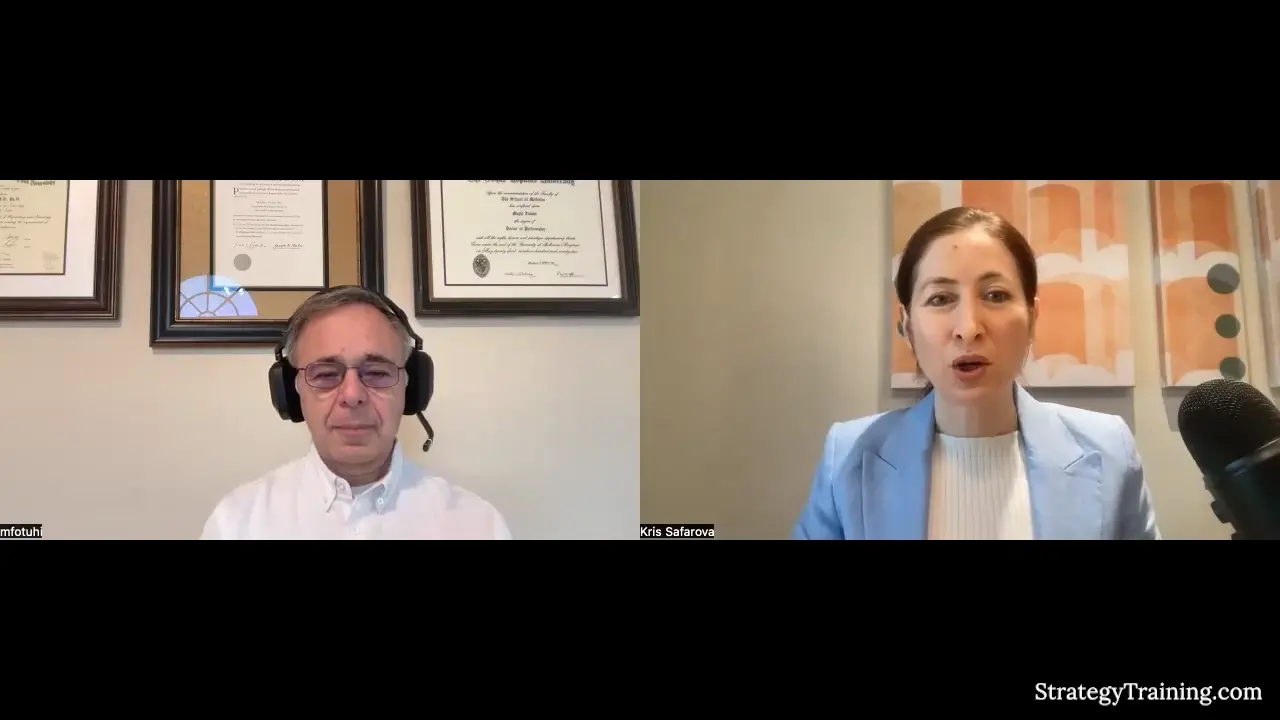
Strategy Skills Podcast
Dr. Majid Fotuhi challenges the assumption that aging-related cognitive decline is inevitable, exploring how daily choices lead to meaningful improvements.

What Drives You with Kevin Miller
Neuroscientist Dr. Majid Fotuhi discusses his new book, ‘The Invincible Brain,’ and how we can best help our brain stay sharp until the end.

Peak Performance Life
Dr. Majid Fotuhi, neurologist and neuroscientist, discusses brain health, memory, and neuroplasticity in this episode focused on performance.
The Executive Function Podcast
Sarah Kesty and Dr. Majid Fotuhi dive into easy ways to adjust your habits for a healthier brain, focusing on executive function and performance.

Health Longevity Secrets Show
Dr. Majid Fotuhi explains why forgetfulness isn’t the same as decline and how daily choices can restore sharpness through five key pillars.


Brain Fitness: Reversing Cognitive Decline And Improving Brain Function, with Dr. Majid Fotuhi (The Doctor’s Farmacy)
Source from home page – Brain Fitness: Reversing Cognitive Decline And Improving Brain Function, with Dr. Majid Fotuhi (The Doctor’s Farmacy)

The Invincible Brain: Optimizing Performance with Dr. Majid Fotuhi (Blueprint of an Athlete)
Source from home page – The Invincible Brain: Optimizing Performance with Dr. Majid Fotuhi (Blueprint of an Athlete)
How to Age-Proof Your Brain and Stay Sharp for Life – with Dr. Majid Fotuhi (The Daria Hamrah Podcast)
Source from home page – How to Age-Proof Your Brain and Stay Sharp for Life – with Dr. Majid Fotuhi (The Daria Hamrah Podcast)

1KHO 721: Anybody Can Have an Extraordinary Memory | Dr. Majid Fotuhi, The Invincible Brain
Ginny Yurich sits down with neurologist and neuroscientist Dr. Majid Fotuhi to flip the script on what most of us assume about memory: it isn’t something you either “have” or “lose”—it’s a skill you can build. Drawing from decades of work with brain health, ADHD, concussion recovery, and cognitive decline, Dr. Fotuhi explains why everyday forgetfulness is often normal (and not an automatic sign of Alzheimer’s), then gives a clear, doable framework for getting sharper at any age through his five pillars of brain health—exercise, sleep, nutrition, stress reduction, and brain training. You’ll hear why movement supercharges the brain, why racquet sports and “thinking + motion” activities are especially powerful for kids and adults, how to make names and information stick by adding emotion and play, what’s actually happening during menopause brain fog, and why optimism and purpose aren’t just nice ideas—they’re linked to real changes in the brain. This episode is practical, hopeful, and immediately motivating—you’ll finish it feeling like your brain isn’t fragile… it’s trainable. So exciting!!
Get your copy of The Invincible Brain here
Learn more about Dr. Fotuhi and all he has to offer here
Learn more about your ad choices. Visit megaphone.fm/adchoices
Dr. Majid Fotuhi: Boost Your Brain — Use It or Lose It (Age Thoughtfully)
Source from home page – Dr. Majid Fotuhi: Boost Your Brain — Use It or Lose It (Age Thoughtfully)
The Invincible Brain with Johns Hopkins Professor Dr. Majid Fotuhi
Dr. Majid Fotuhi, neurologist, neuroscientist, and adjunct professor at Johns Hopkins University, has spent decades studying how the brain ages and what determines whether cognitive performance declines or strengthens over time. In this discussion, he challenges one of the most widely accepted assumptions about aging: that deterioration of memory and thinking is inevitable. The evidence, he explains, points in a different direction. Cognitive health is strongly shaped by daily choices, and meaningful improvements can occur within weeks when those choices change. Fotuhi organizes the science of cognitive resilience around five pillars: exercise, sleep, nutrition, stress management, and brain training. Each pillar affects the brain through measurable biological mechanisms. Exercise, for example, increases mitochondrial activity and stimulates the growth of new neurons in regions responsible for memory. Even modest activity matters. Walking several thousand steps daily has been associated with reduced markers of Alzheimer’s disease in the brain, while higher fitness levels correlate with stronger cognitive performance. Sleep represents the second pillar. Consistent rest of seven to eight hours supports the brain’s ability to regulate stress hormones and maintain cognitive clarity. Persistent sleep disruption is often tied not to physiology but to unresolved concerns. Fotuhi notes that many professionals carry a large number of unresolved problems into the night. Creating clear plans for addressing those issues often reduces anxiety enough for normal sleep patterns to return. Nutrition is the third pillar. Highly processed foods, particularly those containing trans fats, increase inflammation and are associated with smaller volumes in the hippocampus, the region of the brain responsible for memory. By contrast, a Mediterranean-style diet rich in fruits, vegetables, fish, and olive oil supports long-term brain health. Food, in this sense, functions as daily neurological input rather than simple fuel. The fourth pillar is stress regulation. Chronic stress elevates cortisol, which can damage memory-related brain structures over time. Fotuhi emphasizes that much stress is generated internally through expectations and repeated negative thought patterns. Techniques such as cognitive behavioral therapy, meditation, and deliberate reframing help interrupt these cycles and allow the brain to operate in a more stable state. The final pillar is brain training. Cognitive capacity strengthens when the brain is consistently challenged through activities that require learning and adaptation. Language study, music, strategic games, or complex physical skills all stimulate neural pathways. The key is sustained engagement in activities that are both demanding and enjoyable. The brain, like muscle, develops strength through repeated use. Underlying these pillars is a broader insight about aging itself. Fotuhi argues that the second half of life can be a period of cognitive growth rather than decline if individuals adopt the habits that support brain health. The goal is not merely to avoid disease but to maintain clarity, memory, and mental energy well into later decades. For senior professionals whose performance depends on sustained cognitive capacity, the implications are practical. The brain remains highly adaptable. With deliberate attention to exercise, sleep, diet, stress, and learning, cognitive capability can be preserved and, in many cases, strengthened over time. Get Majid’s book, The Invincible Brain, here:
Train Your Brain Like a Muscle: The 5 Pillars of Cognitive Longevity | Dr. Majid Fotuhi
Is your brain actually shrinking? Harvard-trained neurologist Dr. Majid Fotuhi joins me to reveal why cognitive decline isn’t an “age” problem; it’s a lifestyle mismatch that can actually be reversed. Today, I sit down with Dr. Majid Fotuhi, a world-renowned expert in memory and successful aging with over 30 years of clinical research at Harvard Medical School and Johns Hopkins. We dismantle the myth that Alzheimer’s is inevitable and explain how simple, science-backed lifestyle changes—what he calls the “Brain Fitness Program”—can grow your brain’s memory center, the hippocampus, by up to 1% per year. Dr. Fotuhi shares the 5 pillars of cognitive longevity: physical exercise, restorative sleep, the Mediterranean diet, stress management, and complex learning. We discuss how even walking 30 minutes a day can measurably expand your brain, why sleep is the ultimate “cleanup” for memory, and why your sense of purpose might be the most powerful predictor of cognitive health. This is a practical, empowering roadmap for anyone who wants to stay sharp, focused, and resilient at every stage of life. In this episode we discuss: (0:00) Cognitive decline isn’t inevitable; you can grow your brain. (3:52) The hippocampus: your brain’s memory center. (5:15) How movement and exercise grow your brain. (12:44) Sleep: the brain’s waste clearance system. (21:51) Nutrition: the Mediterranean diet and brain volume. (25:21) Stress: the primary driver of brain shrinkage. (34:37) The power of purpose and social connection. (40:15) Brain training: keep learning to stay sharp. (45:12) Final message: you have more control than you think. Majid’s book, The Invincible Brain, is out now!
Dr. Majid Fotuhi – The Invincible Brain
This week I’m excited to welcome Dr Majid Fotuhi to the podcast. Dr Fotuhi is a world-renowned neurologist and adjunct professor at Johns Hopkins. His clinically validated “Brain Fitness Program” has produced outcomes rarely seen in cognitive medicine. He proved it’s possible to prevent — and even reverse — cognitive decline in just 12 weeks. In this episode, we discuss what people should start doing in midlife to protect their brain as they age, how to detect early cognitive warning signs and so much more. Website: https://drfotuhi.com/
Intelligent Medicine Podcast, Preventing Cognitive Decline and Regenerating Our Brains (Dr. Ronald Hoffman)
Source from home page – Intelligent Medicine Podcast, Preventing Cognitive Decline and Regenerating Our Brains (Dr. Ronald Hoffman)
The Brain Architect: How Movement, Food, & Purpose Reshape Your Hippocampus with Dr. Majid Fotuhi
Your hippocampus isn’t a fixed shape, it’s a garden. With the right sleep, movement, and purpose, it can actually grow larger and stronger at any age. In this episode, Sharlee Dixon sits down with Dr. Majid Fotuhi, a pioneering neurologist and neuroscientist with more than 35 years of experience in brain health, memory, neuroplasticity, and the prevention of Alzheimer’s disease. Dr. Fotuhi earned his PhD in neuroscience from Johns Hopkins, completed his medical training at Harvard Medical School, and returned to Johns Hopkins for his neurology residency, where he now serves as an adjunct professor. Known for translating complex brain science into practical tools, his award-winning work has helped thousands improve memory, focus, and clarity. His expertise has been featured on CNN, NBC News, the Today Show, The New York Times, The Washington Post, and more. He is also the author of the new book “The Invincible Brain: The Clinically Proven Plan to Age-Proof Your Brain and Stay Sharp for Life.” In this conversation, Dr. Fotuhi shares the science behind his 12-week program and the everyday habits, movement, nutrition, mindset, stress control, purpose, and even embracing boredom, that help prevent cognitive decline and keep your mind sharp for life. For more information about Dr. Majid Fotuhi, please visit: https://drfotuhi.com/. For more information about “The Invisible Brain: The Clinically Proven Plan to Age-Proof Your Brain and Stay Sharp for Life” by Dr. Majid Fotuhi, MD, PhD, please visit: https://drfotuhi.com//pre-order/. For more information about Dr. Fotuhi’s online courses, please visit: https://drfotuhi.com//online-course-app/. For more information about The Invincible Brain App, please visit: https://invincible.drfotuhi.com. Connect with Dr. Fotuhi on social media: Connect on YouTube: https://www.youtube.com/@DrFotuhi
The Invincible Brain: How to Protect Memory and Lower Alzheimer’s Risk with Dr. Majid Fotuhi
Key Links
Dr. Majid Fotuhi’s Website (NeuroGrow Brain Fitness Program) is HERE
Dr. Fotuhi’s book, The Invincible Brain (Amazon) is HERE
Dr. Fotuhi’s TED Talk is HERE
Documentary referenced in this episode — Monster in the Mind (IMDb) is HERE
In this episode of AGE BETTER, I’m joined by world-renowned neuroscientist Dr. Majid Fotuhi for a powerful, hopeful, and deeply practical conversation about brain health, memory, and what we can do right now to protect cognitive function as we age. This episode is part of my Road to 70 series, where each month I talk with a trusted expert about one key area of healthy aging to help me—and all of us—get ready for the next decade. Dr. Fotuhi’s new book, The Invincible Brain, is based on his highly regarded brain health program, and this conversation is packed with the kind of clear, science-backed information so many of us need—especially if Alzheimer’s or dementia runs in the family. We talk about what’s actually driving cognitive decline (and why it’s often not just one thing), what the latest biomarker testing can and cannot tell us, and why lifestyle changes are far more powerful than most people realize. One of my favorite takeaways from Dr. Fotuhi is this: “Our brain is more invincible than we think. Decline can be slowed and even reversed.” If you’ve ever worried about brain fog, memory slips, menopause-related cognitive changes, or the risk of Alzheimer’s disease, this is an episode you’ll want to hear all the way through.
Evolving Past Alzheimer’s, Real life neuroplasticity, with Dr. Nate Bergman / 12 Weeks to a Better and Fatter Brain, with Dr. Majid Fotuhi
Source from home page – Evolving Past Alzheimer’s, Real life neuroplasticity, with Dr. Nate Bergman / 12 Weeks to a Better and Fatter Brain, with Dr. Majid Fotuhi